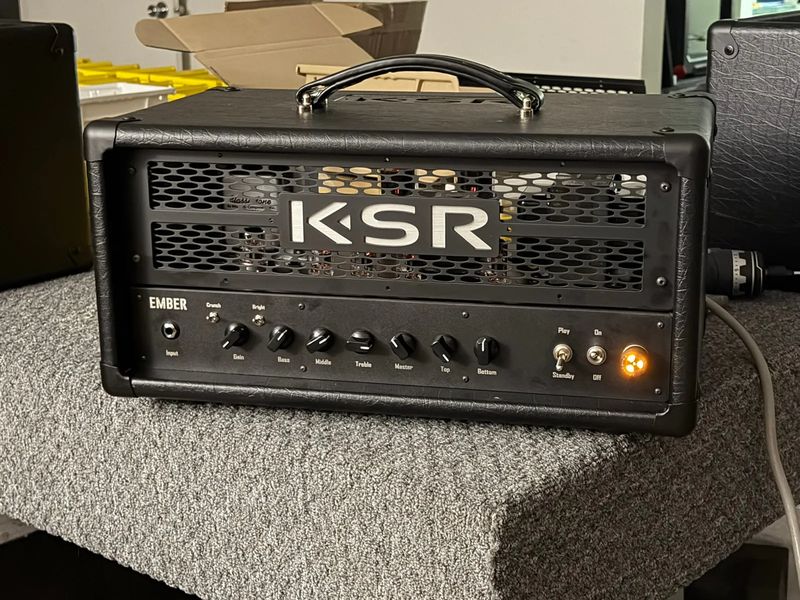
Four days inside a working boutique amplifier factory in Middletown, Ohio. You build a tube amp from a bare PCB and empty chassis. You leave with the amp, the fundamentals of how it works, and the soldering and safety skills you'll lean on every time you open one up.
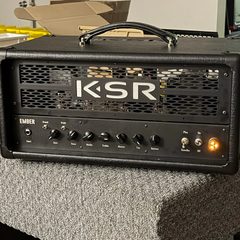
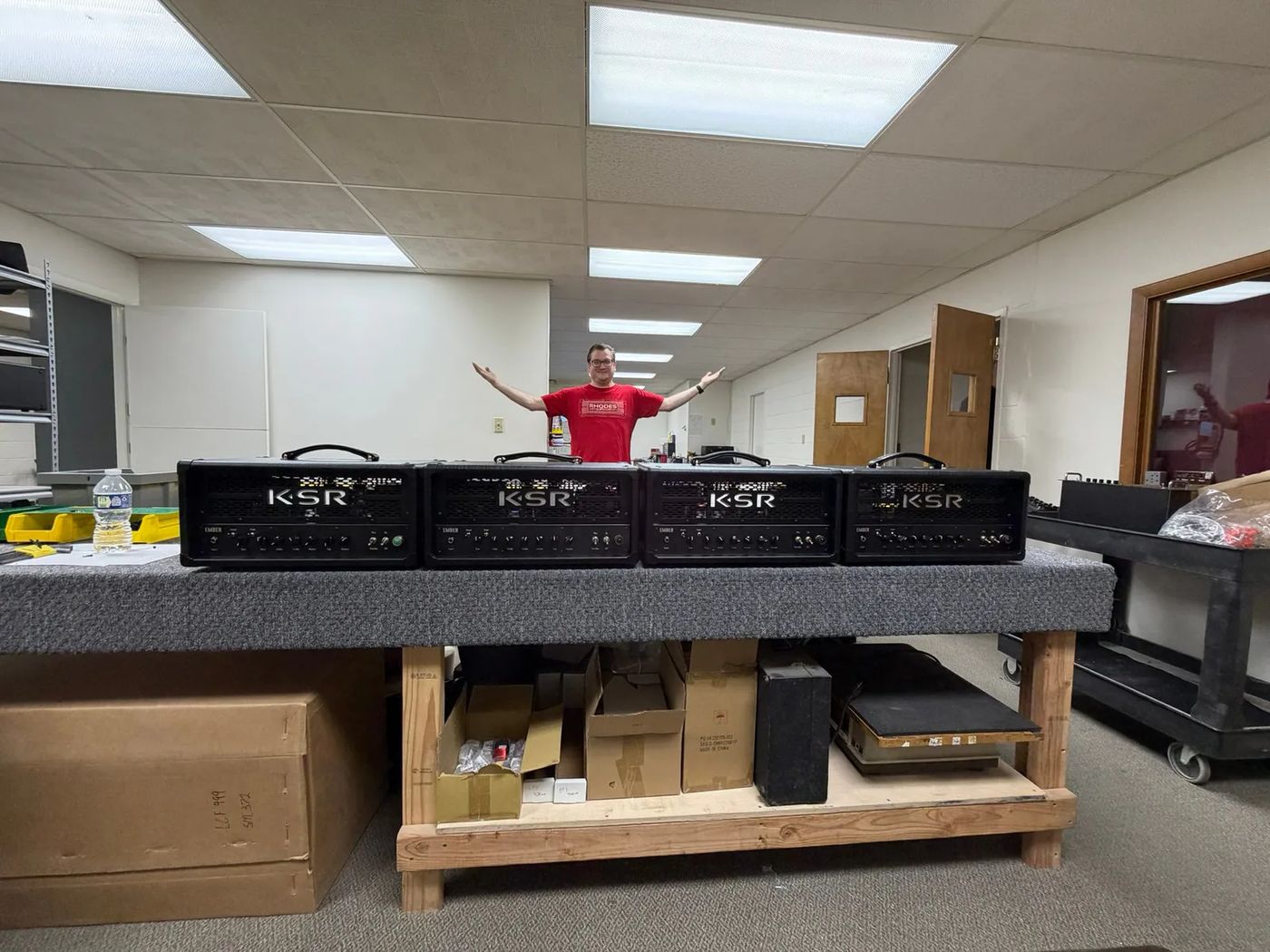
July 30 to August 2, at the shop in Middletown. Six people arrived with a bare chassis and left with a KSR Ember they built, biased and played themselves. Every builder set their bias with the probe they made on Day 1. Then the guitars came out.


The first six Embers were also the first real test of the design, and the builders found things. Within a week, Michael Klein had turned their notes into five changes, from a daughter board for the effects loop to new wire colors. Every Beta builder starts from the amp Alpha helped finish.
We're entering a second Industrial Revolution. The tools of real manufacturing — 3D printers, desktop CNC, Arduino, pick-and-place — are now in reach of anyone who wants them. Vertical integration is no longer the exclusive territory of corporations.
But decades of want-it-now, throw-it-out-when-it-breaks culture has stripped most of us of the skills to make, fix, and modify the things we own. That's a waste of resources, and a waste of human capacity.
You start with an amp. You leave knowing how it works — and ready to learn what comes next.
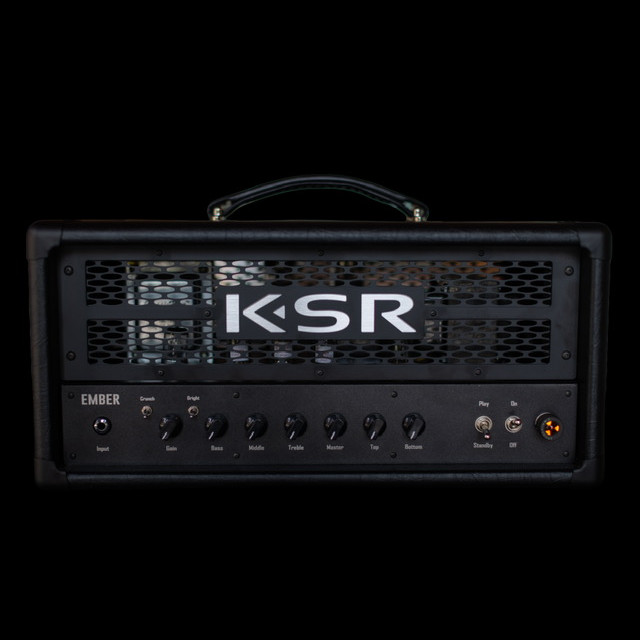
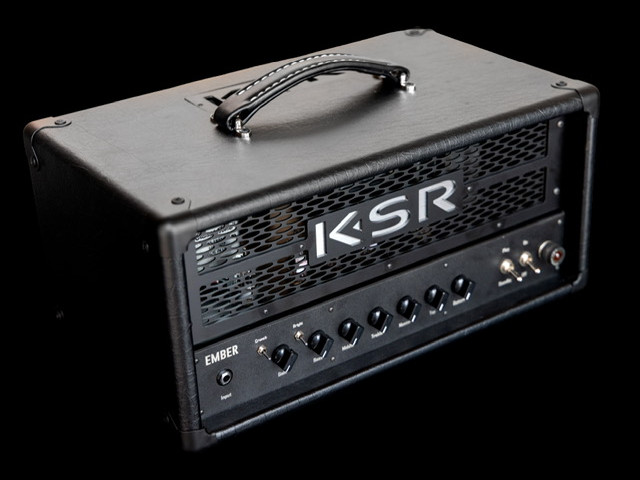
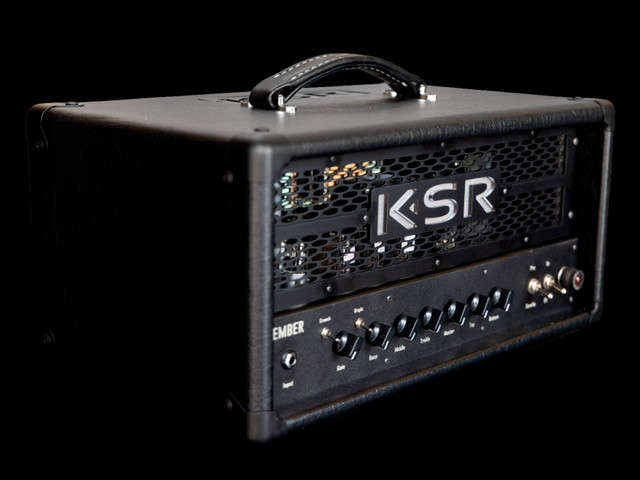
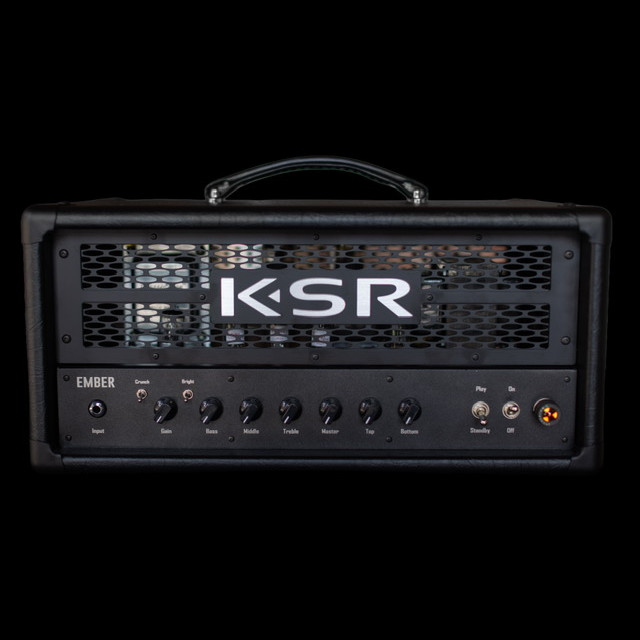
Based on the same DNA as the KSR Ares 50 — simplified for instruction, full-voiced for performance. Ember: what you carry out of a fire — the small, persistent thing still glowing. The amp you build is the amp you keep.


Most amp-building classes gloss over the details. This isn't that. You'll learn the theory one moment — and you'll use it in the next.
(as long as we keep Kyle on task)
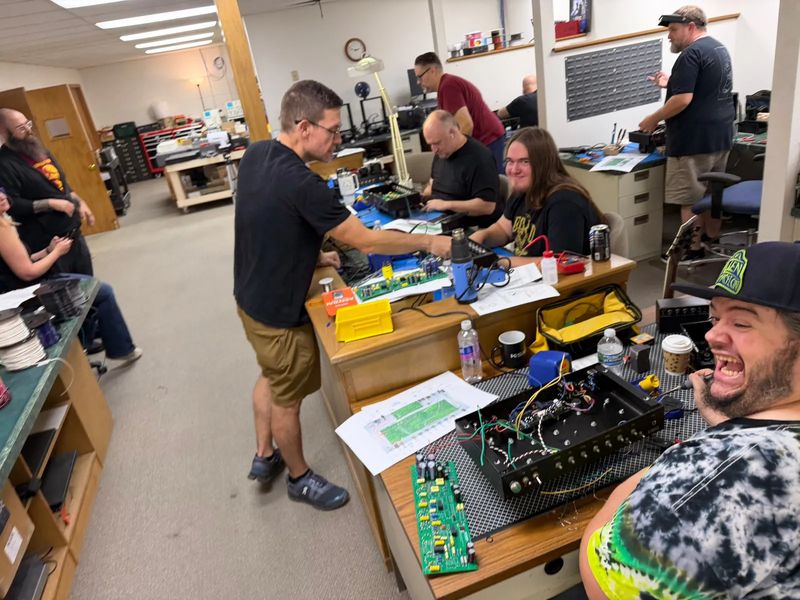
You arrive a guitarist. The first thing we build together is your bias probe — a real bench tool you'll keep. Soldering and Ohm's Law aren't morning lectures here; they're what we teach you while your hands are already on the work. By mid-afternoon you'll plug your finished probe into a working KSR amp and read actual plate current in milliamps. Ohm's Law just became something you do, not something you've heard about.
You also leave Day 1 with a multimeter — yours to keep — and a chassis stuffed with pots, switches, jacks, sockets, and transformers. The metal box now starts to look like an amplifier.
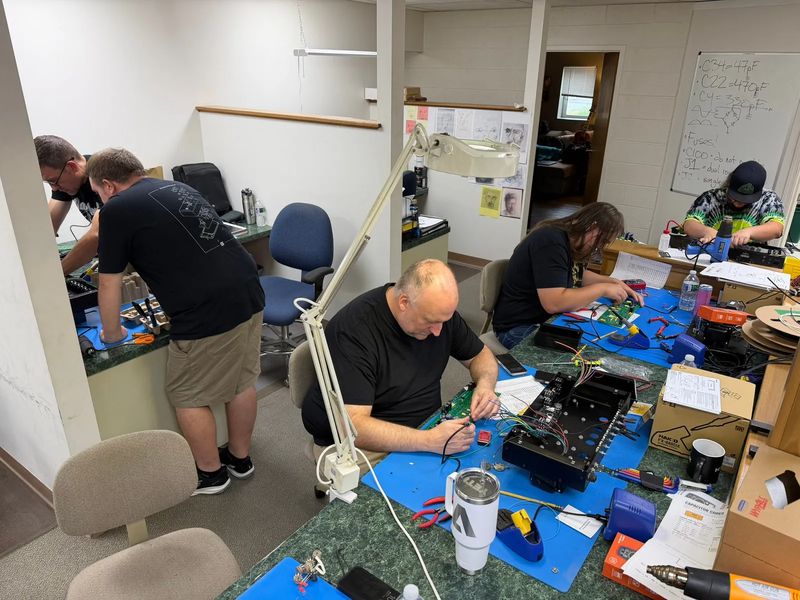
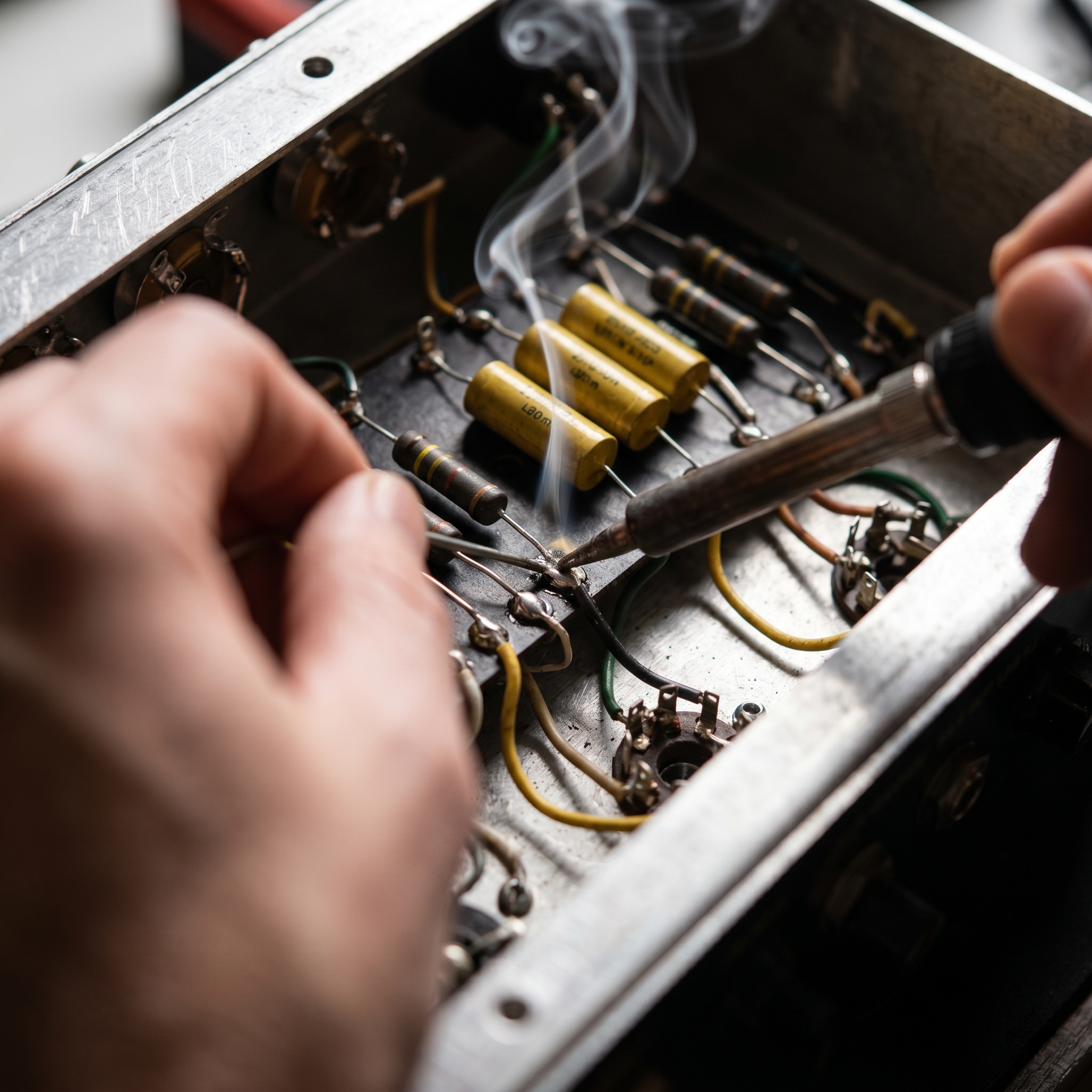
Preamp board in the morning, power tube board in the afternoon. You populate every component, solder every joint, and learn why each one is where it is. By end of day, both boards are seated in your chassis.
This is the day where the theory of yesterday becomes the muscle memory of tomorrow.
This is the longest day and the most rewarding. The heater string, the ground scheme, the signal path, the output section. KSR shop standards — why AC wiring runs perpendicular to signal lines, why lead dress is a craft, not a chore.
By 5pm, every amp on every bench is theoretically complete. Nothing fires up tonight. The wait is part of the experience.
You bring an amp to life. Variac up, voltage check at each stage, the moment of first sound. Bias it using the probe you built on Day 1. A/B against the standard Ember.
Then the guitars come out -- we jam with the people you've been side-by-side with for four days. We name awards. You leave with an amp, a certificate, a KSR challenge coin, and a different relationship with the objects in your life.
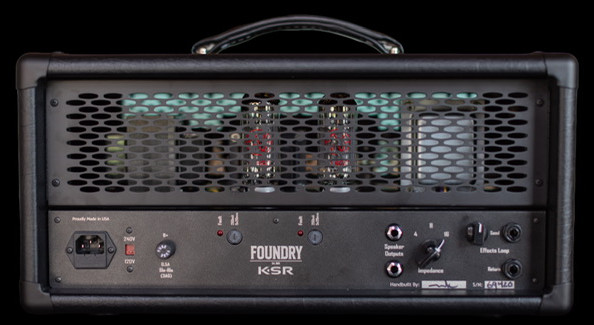
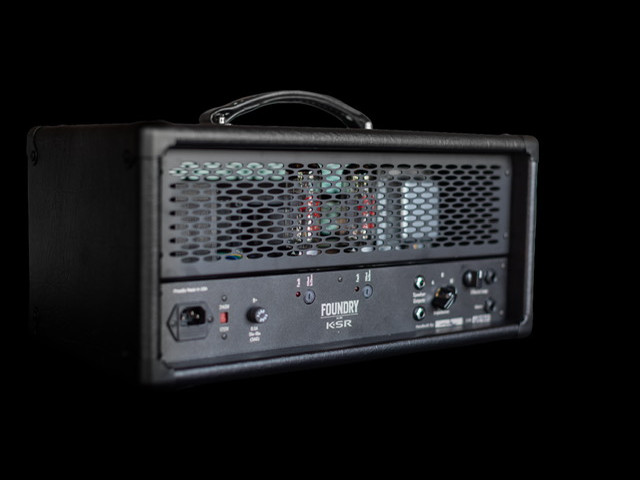
The amplifier you built. Production-quality, gig-ready, hand-wired by you under Kyle's supervision. Yours forever. Modifyable. Serviceable forever.
A bias probe you built on Day 1 — designed by Kyle — plus a multimeter that lives next to it. Two real tools you'll use for the rest of your amp-owning life. Service any amp you own: yours, your bandmates', the one you find on Marketplace that turn's on but "doesn't make sound."
The conviction that the things in your life are knowable. The soldering, biasing, and safety fundamentals to keep an amp running. The foundation to learn everything that comes next. This is the point.
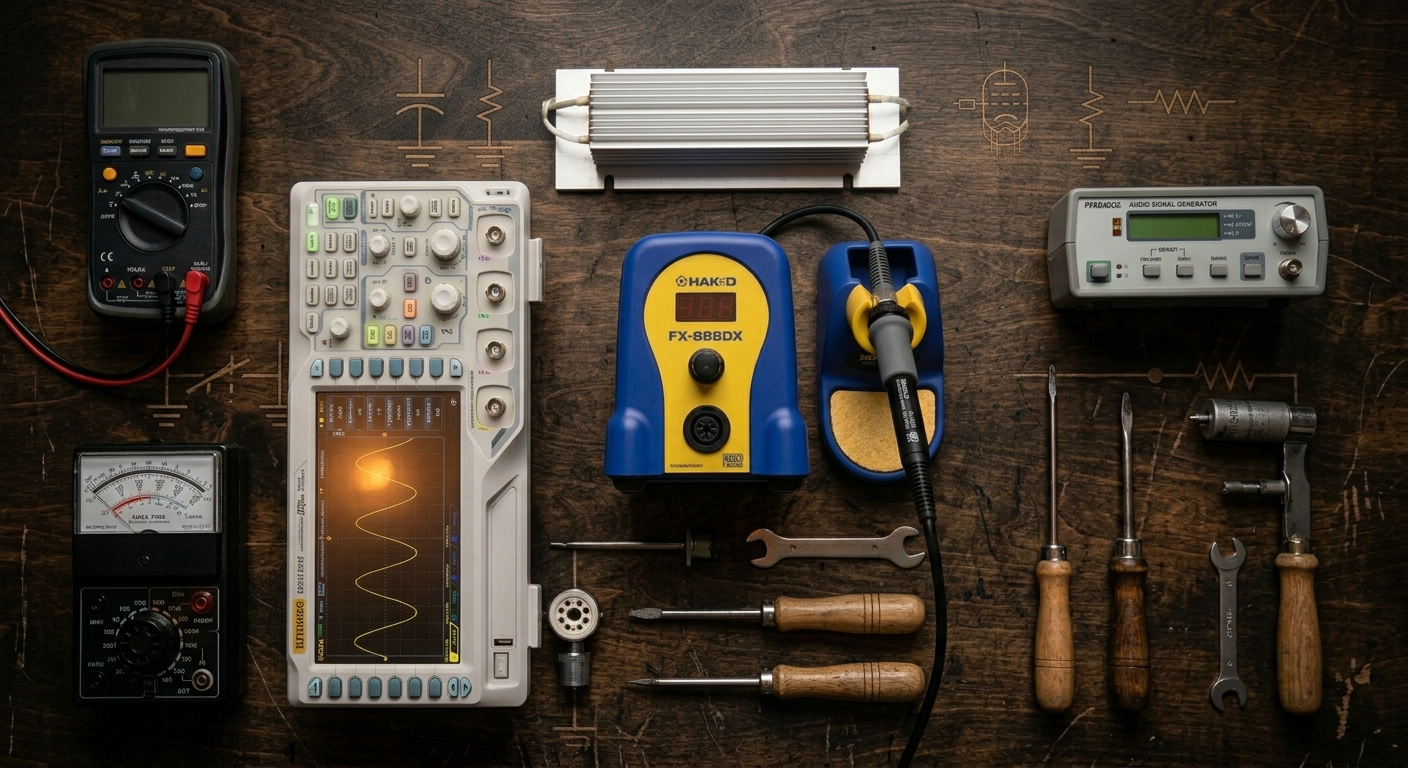
The Foundry deposit covers a full working bench — real tools we use ourselves, not branded promotional fluff. The iron alone is good for years of amp work. You walk out of the four days equipped to keep building, debugging, and modifying — not dependent on a class to come back to.
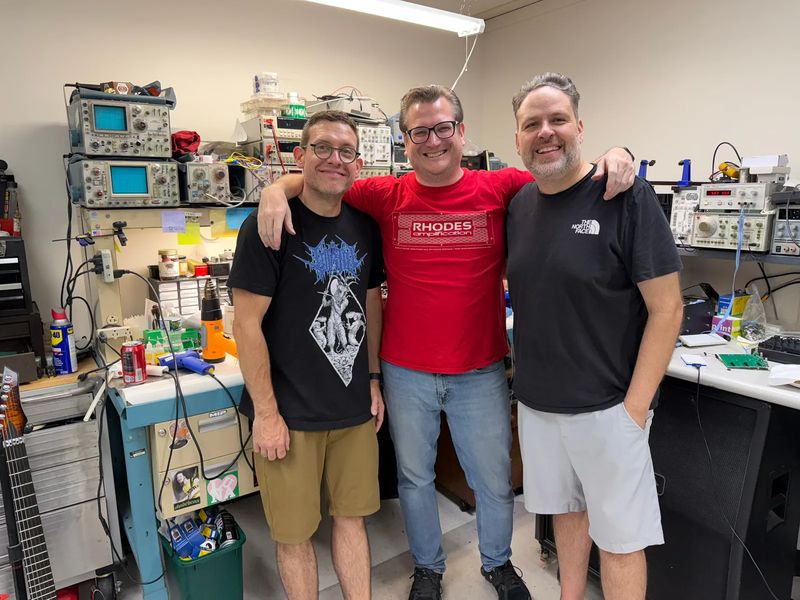
The Foundry doesn't ship you to a TA. Kyle and Michael teach the build, start to finish. You'll know them both well by lunch on Day 2.
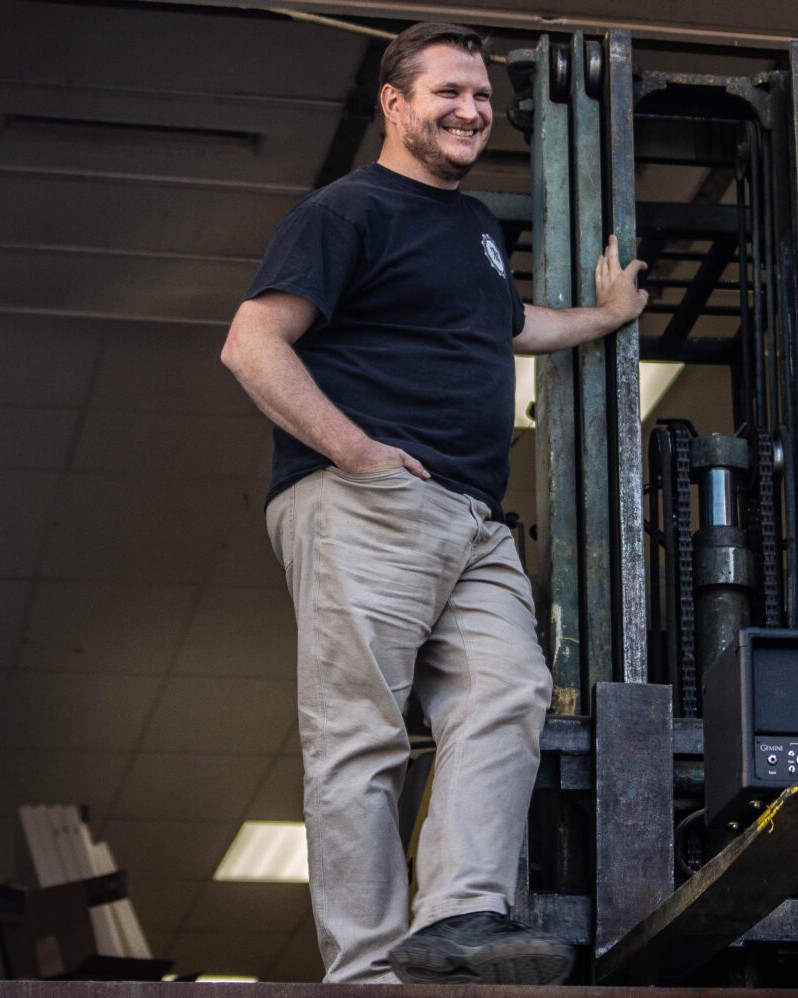
Kyle S. Rhodes, founder and chief engineer of KSR Amps, brings a uniquely broad pedigree to the boutique amplifier world. With a lifelong passion for robotics, Rhodes honed his technical expertise outside the music industry by designing and building production-scale Braille embossing machines and accessibility software for the blind at small company called gh, LLC (now See Write Hear). This deep background in complex electromechanical engineering and software design laid the technical foundation for KSR Amps. Today, Rhodes channels that same systems-level precision into his vertical manufacturing facility near Cincinnati, crafting modern, high-gain tube amplifiers renowned for their bulletproof reliability, advanced MIDI integration, and uncompromising tone.
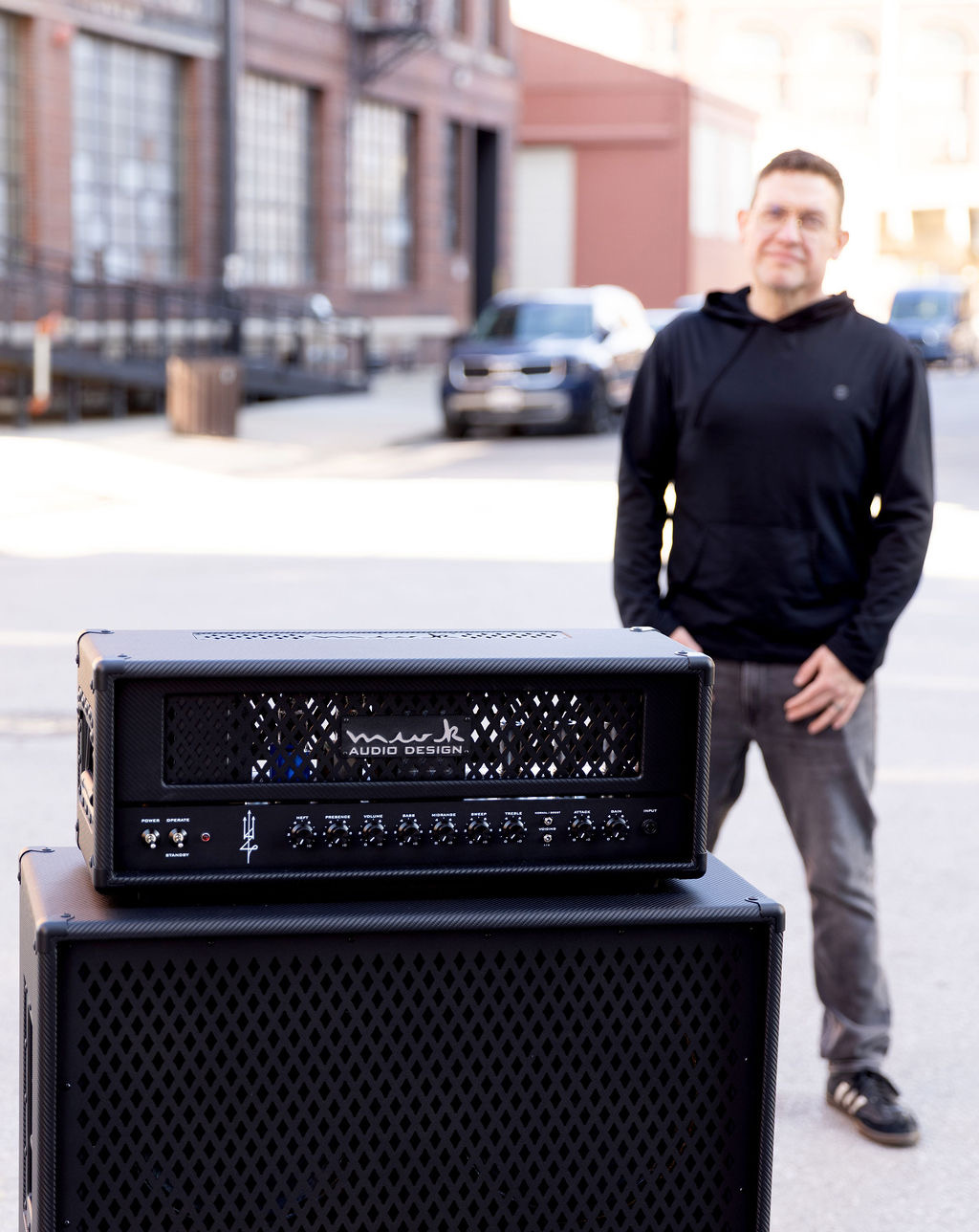
Michael W. Klein is the Kansas City-based engineer behind MWK Audio Design, renowned in the extreme metal community for meticulously hand-wiring boutique, high-gain amplifiers like Sammy Duet's signature SPD100. In addition to his rugged, turret-board amp builds, he designs highly sought-after analog pedals tailored to sculpt tight, crushing tones while retaining clarity under heavy saturation. Beyond his technical expertise, Klein is celebrated as a deeply dedicated collaborator who obsessively road-tests and refines his gear to perfectly serve the artists who rely on it. He also happens to be a superb human.
Cohort Alpha — the Founding Cohort, late July — is complete: six amps lit and carried home (read their stories). Cohort Beta is the last run of 2026: the same four days, same shop, same take-homes, October 15–18 in Middletown, Ohio. Ten seats, then that's it for the year. Want a weekday cohort in 2027 instead? Join the waitlist below and tell us the week you'd hold — enough interest tips us into scheduling one.
Three advanced tracks, available to graduates of any cohort. Take one, take two, or take the bundle.
Three days of advanced amp tech work + build a Signal Generator and Dummy Load, and take home an oscilloscope of your own. Day 1 is diagnostic mastery — oscilloscope literacy, component-level service, the knowledge and tools needed to probe an amp safely. Days 2 and 3 plan and build a real circuit modification: a switchable clean channel, Boost Mode w/ Gain Control, 2nd Master Volume + MIDI switching added to your Ember, schematic to lead dress. Walk out able to open, diagnose, and modify any amp you own with your new Rigol 1054Z, self-made signal generator, and dummy load.
Ship any headshell ahead. Spend a day re-covering it in tolex, leather, or any pre-approved material. It walks out one-of-one with a new laser engraved badge of your design. (Stocked Kayline tolex included, special order upon request, and exotic materials you must provide)
A complete kit for a second amp — the Wayfinder — plus a session on building it solo. One year of access to The Bench for support while you build at home. You built the Ember with us. Now build the Wayfinder alone.
No. The Foundry is designed for the curious beginner. If you can hold a soldering iron and read a multimeter by the end of Day 2, you'll succeed. Many students arrive having never soldered.
A guitar of your own is helpful, but not required. Closed-toe shoes. A notebook. Everything else — tools, parts, safety gear, your kit — is supplied.
We hold a block of rooms at a partner hotel near the shop, available at a Foundry rate. Booking details go out with your registration confirmation. Or, book your own accomodations.
The shop is in Middletown, Ohio — roughly halfway between Cincinnati and Dayton. Both Dayton International (DAY) and Cincinnati/Northern Kentucky (CVG) are about 30-45 minutes out by car; CVG has more direct flights from most cities. Flying private? Middletown Regional (MWO) is 10 minutes from the shop and handles small aircraft. Shuttle services are included from the partner hotel to the shop each morning.
Your deposit is non-refundable, but it transfers to a future cohort — just ask. The balance is refundable up to 30 days before class. If the balance is still unpaid a week before class we'll release the seat so someone else can take it, and your deposit carries over to a future cohort.
Day 1 starts with a deliberate, sobering high-voltage safety briefing. Every bench has lockout, every amp is brought up on a Variac with you and an instructor present. Nothing is energized without supervision until Day 4.
Yes — non-building guests are welcome at the welcome breakfast, all evening events, and the Day 4 jam and ceremony. Working bench time is closed to the cohort.
We handle lunch in-house. Tell us about any dietary needs when you register and we'll plan around you.
Whether you want a seat in the next cohort, occasional updates from the shop, or just have a question — leave a card.